

The cost of a custom wooden toy can depend on more than its overall size or appearance.
Two products that look similar may have different production requirements, materials, components, and packaging structures.
For buyers planning a custom wooden toy project, understanding the main cost factors can make it easier to prepare product specifications and compare different product options.

1. Product Size
Product size can directly affect the amount of material required.
A larger product may require:
1.More raw material
2.Larger components
3.More packaging space
4.Larger cartons
However, size is not the only factor. A smaller product with a more complex structure may require more production work than a larger but simpler product.
2. Material Selection
Different materials can have different costs and production characteristics.
Material selection may depend on:
1.Product structure
2.Product appearance
3.Surface finish
4.Required thickness
5.Component design
For example, MDF, plywood, solid wood, and other wood-based materials may require different processing methods.
The same product design may also have different cost levels depending on the selected material.
3. Product Structure
A simple product structure may require fewer production steps than a product with multiple panels, moving parts, or complex connections.
Cost can be affected by:
1.Number of components
2.Connection structure
3.Moving parts
4.Product functions
5.Assembly requirements
More complex structures may require additional processing and assembly work.
4. Number of Components and Accessories
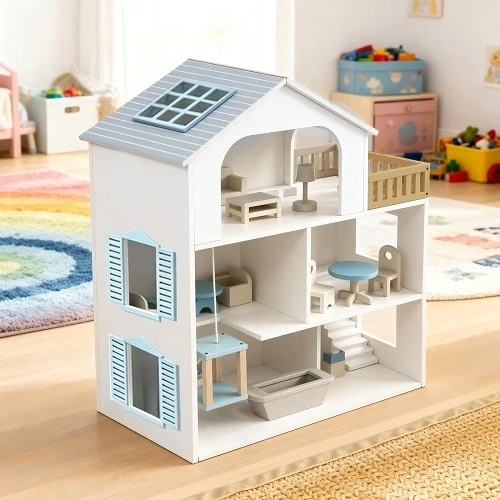
The number of individual parts can also affect the overall cost.
A product may include:
1.Main wooden components
2.Small accessories
3.Metal parts
4.Fabric components
5.Printed elements
A larger number of components can increase material preparation, production, assembly, and packing requirements.
5. Surface Finish and Decorative Details
Surface treatment can influence both the appearance and production process.
Cost factors may include:
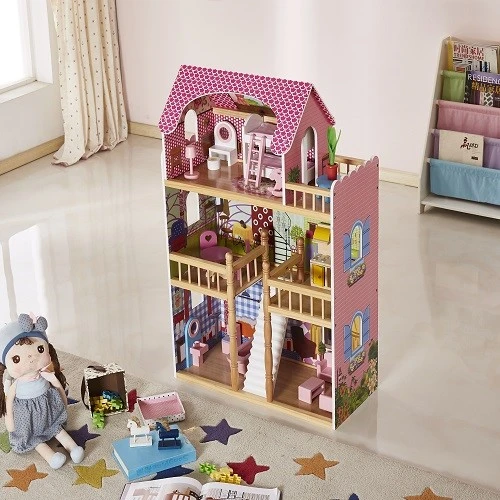
1.Painted surfaces
2.Different colors
3.Printed patterns
4.Decorative details
5.Clear coatings
Products with multiple colors or detailed decorative elements may require additional production steps.
6. Packaging Requirements
Packaging is another factor that can influence the final product cost.
Depending on the product, packaging may include:
1.Outer cartons
2.Inner boxes
3.Protective materials
4.Printed packaging
5.Labels
6.Instructions
Customized packaging requirements can also affect the overall project cost.
7. Order Quantity
Order quantity can influence how certain production and development costs are distributed across a project.
For custom products, some costs may be related to:
1.Production setup
2.Customized components
3.Printing
4.Packaging development
When the quantity changes, the cost per unit may also change depending on the production requirements.
8. Product Development Requirements
For a new custom product, development requirements can also affect the overall project cost.
These may include:
1.New product drawings
2.Prototype development
3.Customized components
4.New packaging structures
Product adjustments during development
The amount of development work needed can vary depending on how detailed the original product concept is.

