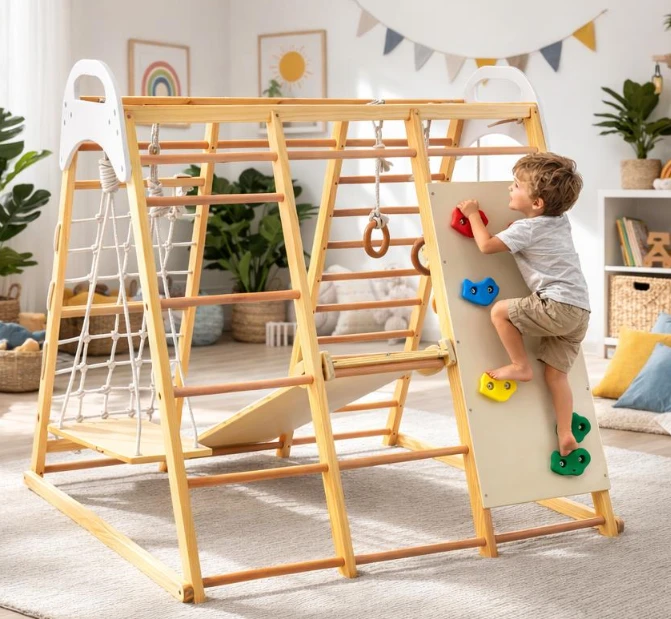

When importing children's furniture into the US market, safety and compliance are becoming more important than ever.
Many buyers focus on product design, packaging, or pricing, but overlook one critical requirement: TSCA compliance for wood-based materials.
For products made with plywood, MDF, particle board, or engineered wood, understanding TSCA requirements can help buyers reduce compliance
risks and avoid problems during import or retail distribution.

What Is TSCA?
TSCA (Toxic Substances Control Act) is a US regulation managed by the EPA.
Under TSCA Title VI, certain wood-based materials must meet formaldehyde emission requirements. This regulation mainly applies to composite wood products used in furniture and children's products.
The purpose is to reduce harmful formaldehyde exposure in indoor environments, especially for children.
Why TSCA Matters for Children's Furniture
Children's furniture often includes engineered wood materials such as:
-Plywood
-MDF
-Particle board
-Laminated panels
These materials may contain adhesives or resins that release formaldehyde if not properly controlled.
For importers, retailers, and brands selling in the US market, non-compliant materials may lead to:
-Shipment delays
-Compliance issues
-Retail rejection
-Product recalls
-Additional testing costs
This is why many buyers now request TSCA-related documentation before placing orders.
Which Children's Products May Be Affected?
TSCA requirements are commonly related to products such as:
-Learning towers
-Toy storage cabinets
-Dollhouses
-Children's tables and chairs
-Montessori furniture
-Indoor climbing toys
-Wooden play furniture
Especially when these products use plywood or composite wood materials.
Solid wood products may have different requirements depending on the structure and materials used.
What Buyers Should Check Before Ordering
Before confirming an order, buyers can ask suppliers the following questions:
1. What materials are used?
Understanding whether the product uses plywood, MDF, or solid wood is important.
2. Are the panels sourced from compliant suppliers?
Reliable suppliers should work with material vendors familiar with US compliance requirements.
3. Can testing documents be provided?
Many buyers request formaldehyde emission reports or related compliance documents for reference.
4. Is there production quality control?
Consistent production control helps reduce compliance risks during mass production.

How We Support TSCA-Related Compliance
As a manufacturer of wooden children's toys and furniture, we understand the importance of compliance for the US market.
We work with experienced material suppliers and support third-party testing when required.
Our production team also pays attention to material consistency and quality control throughout production.
Our product range includes:
-Wooden climbing toys
-Learning towers
-Dollhouses
-Children's furniture
-Montessori-inspired products
If you are sourcing children's furniture for the US market and would like to discuss TSCA-related requirements, feel free to contact us for more information.