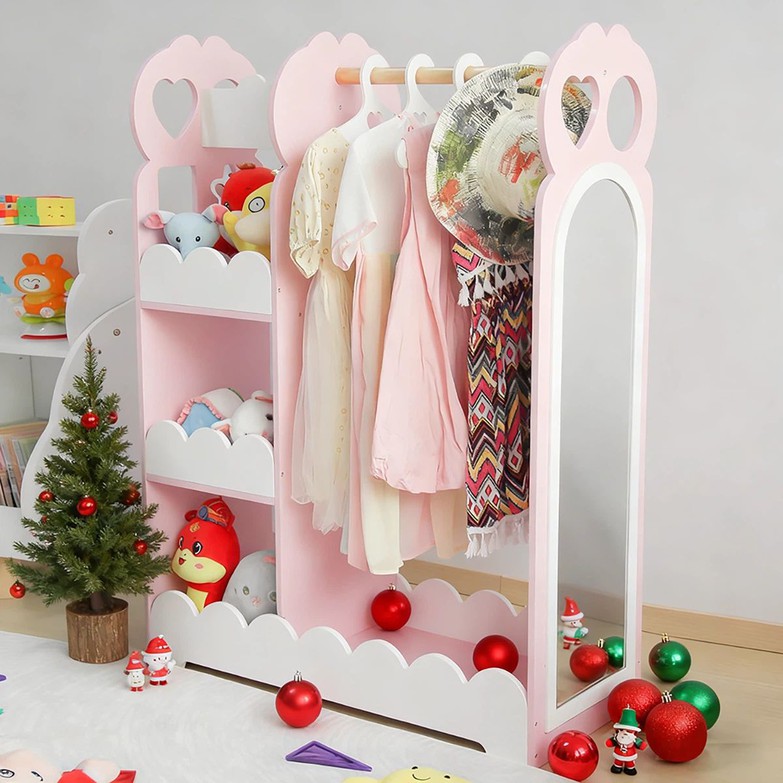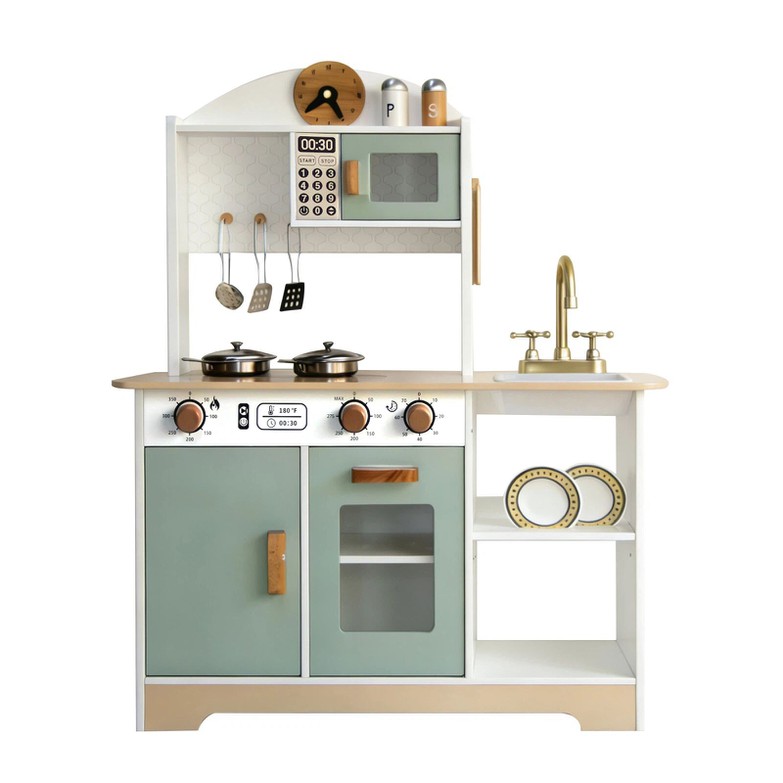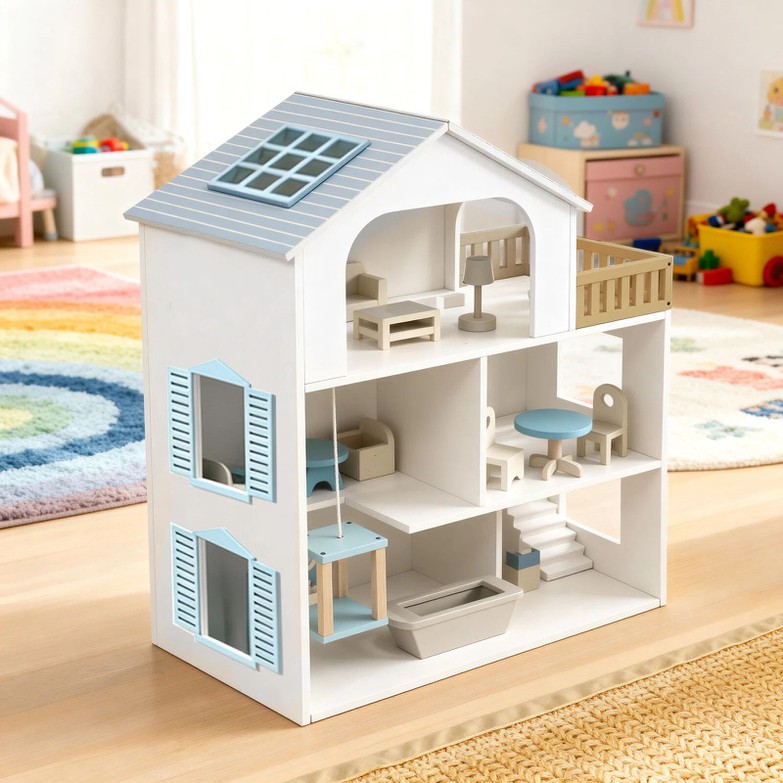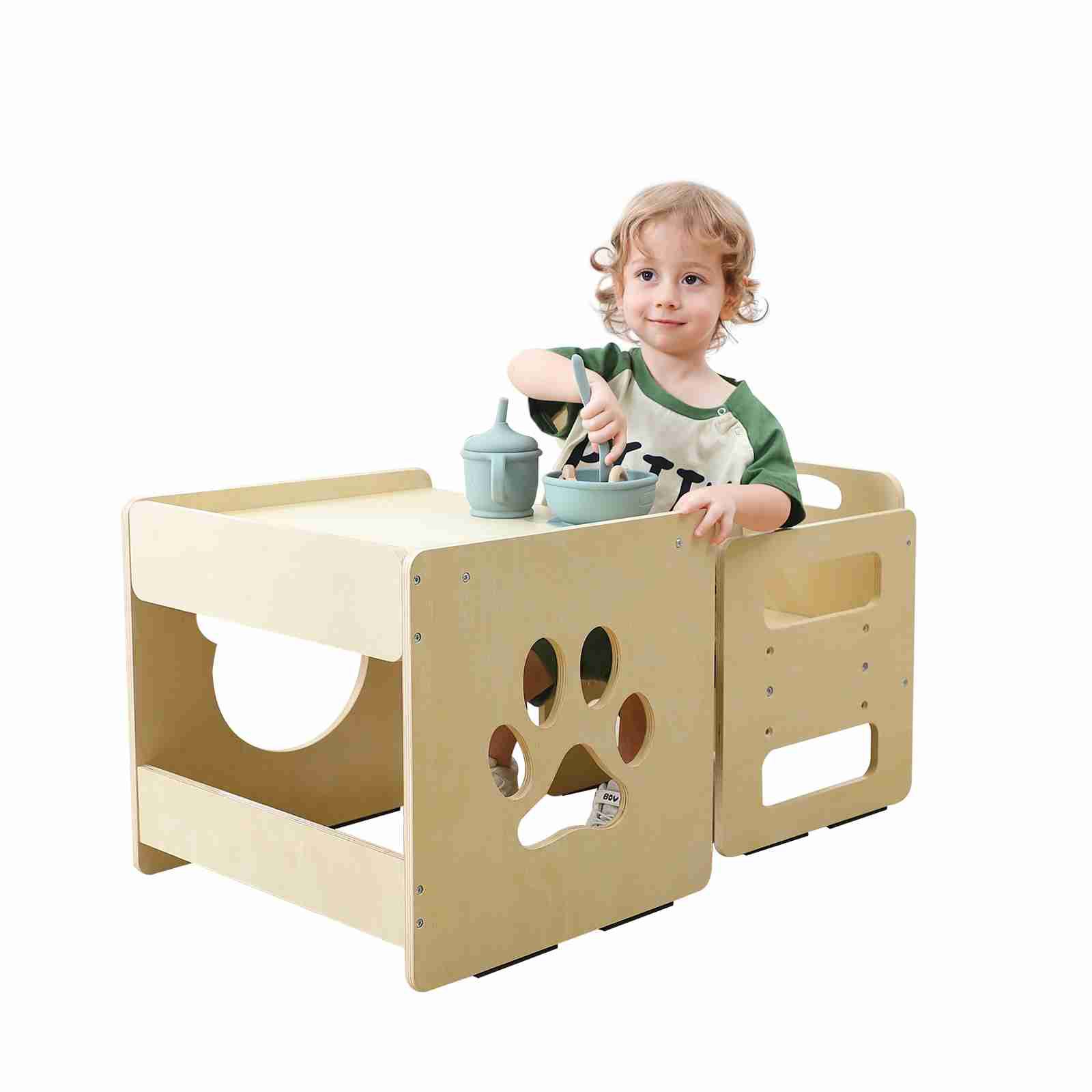

As environmental awareness grows, sustainable wooden toys have emerged as a leading trend in the children's product market-driven by parental demand for eco-conscious choices and global "double carbon" initiatives .
From materials to manufacturing, the industry is undergoing a green transformation that balances play value with planetary responsibility.
Sustainable sourcing is the foundation of this movement. FSC-certified wood-ensuring responsible forest management-has seen a 25% year-over-year growth in toy production, with projections to exceed 50% of raw materials by 2026 .
Brands are also embracing recycled wood and bamboo composites, which reduce reliance on virgin forests while offering comparable durability. Bamboo-based toys, in particular, are gaining traction due to their fast growth (renewable in 3-5 years) and natural antibacterial properties .
Eco-friendly manufacturing processes further reduce environmental impact. Water-based paints and plant-derived adhesives (like soy protein glue) have replaced solvent-based alternatives, cutting VOC emissions by up to 90% .
Many factories are adopting energy-efficient production lines-including solar-powered machinery and waste-recycling systems-to minimize carbon footprints. For example, recycling wood shavings into biofuel reduces landfill waste while powering manufacturing facilities.
Circular economy models are also gaining momentum. Brands now offer take-back programs for old wooden toys, which are refinished, repurposed, or recycled into new products.
Modular designs-allowing components to be replaced rather than entire toys-extend product lifespans, aligning with the "buy less, buy better" ethos. Additionally, minimalist packaging (using recycled cardboard or compostable materials) reduces plastic waste, a key concern for eco-aware consumers.
The market response to these trends is clear: sustainable wooden toys now account for 28% of the global children's toy market, with a growth rate of 12%-three times that of plastic toys .
For parents, choosing these products isn't just an environmental statement; it's a way to teach kids about sustainability through play.
Explore our FSC-certified wooden kid toys